
- Swansea
- [email protected]


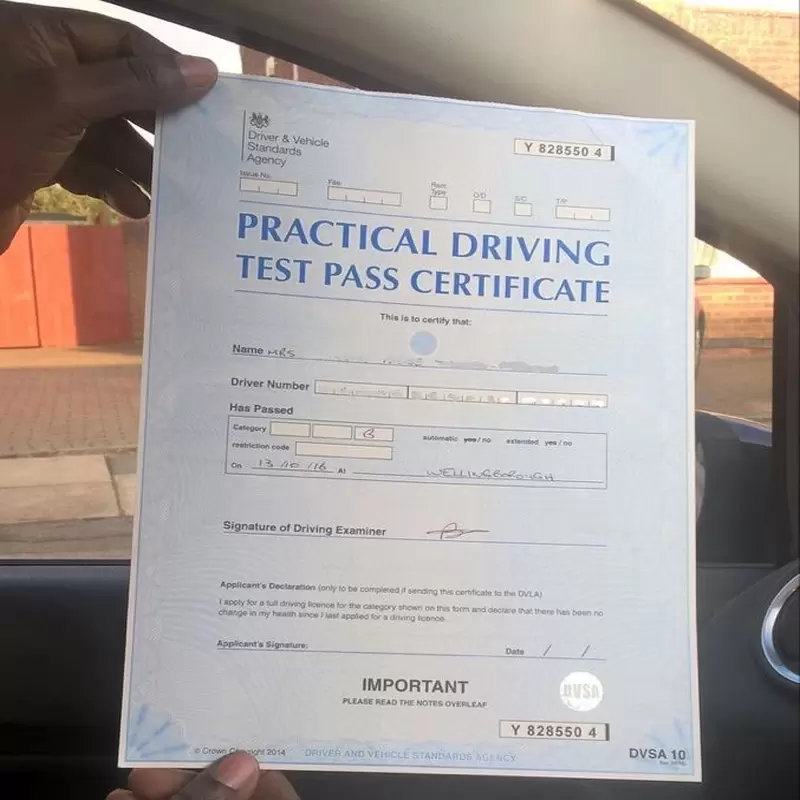
The practical driving test is the final step before getting a full UK driving licence. For many learner drivers, it is also the most stressful part of the process due to test pressure, long waiting times, and the importance of passing successfully.
With driving test waiting lists remaining high in many areas of the UK, understanding the process and preparing properly is more important than ever.
dvsadocs helps learner drivers across the UK book practical driving tests, find earlier test appointments, and understand exactly what happens on test day.
The practical driving test fee is set by the DVSA.
Current standard prices are:
These are the official DVSA fees for car driving tests.
Many learners also pay additional costs on top of the DVSA fee, including:
Most driving instructors charge approximately:
to provide a car and support during the driving test.
If a learner fails and needs to rebook, these costs usually apply again.
Because waiting times at some test centres can stretch for months, learners often continue paying for lessons while waiting for another appointment.
The practical test normally lasts around:
The test is divided into several sections.
At the start of the test, the examiner checks your eyesight by asking you to read a number plate from:
Failing the eyesight test results in an automatic test failure.
You will also be asked:
Examples include checking lights, using the rear demister, or operating vehicle controls.
Incorrect answers usually count as minor driving faults rather than automatic failures.
Most of the test involves normal road driving situations, including:
The examiner records any faults during the drive.
To pass, you can receive:
However:
will result in a failed test.
The independent driving section allows the examiner to assess how safely you drive without detailed instructions.
Most candidates follow directions from a sat-nav, while some may follow traffic signs instead.
Taking a wrong turn is not automatically a fault unless it creates unsafe driving.
During the test, you will complete one reversing exercise.
This may include:
The examiner checks vehicle control, observation, and safety awareness throughout the manoeuvre.
Some candidates may also be asked to complete an emergency stop exercise.
If instructed:
Stalling alone does not automatically cause a failure if the situation is handled safely.
If you pass the practical driving test, the examiner provides your:
This certificate allows you to exchange your provisional licence for a full UK driving licence.
Applications for the full licence can normally be completed:
Many DVSA test centres continue to experience long waiting times, especially in busy cities and high-demand areas.
Waiting periods of:
are still common in some locations.
Finding an earlier cancellation slot can often save learners both time and money by reducing the need for ongoing lessons.
Understanding the practical driving test process properly can improve confidence and help reduce avoidable mistakes on test day.
dvsadocs helps learner drivers across the UK manage driving test bookings, find earlier appointments, and move through the licensing process more efficiently. Whether you are booking your first test or looking for a quicker appointment date, our team can help make the process easier and more straightforward.